






Lux Aeterna Raises $10M in Seed Funding to Develop Reusable Satellite Platform
Space has always had a one way door problem. We launch brilliant hardware into orbit, run the mission, collect the data, then watch a multimillion dollar asset burn up like a guitar at the end of a rock show. Dramatic, sure. Efficient, not even close. So every now and then a founder looks at that ritual and asks the obvious question nobody bothered to fix. What if the satellite came back?
That question is now sitting on a fresh stack of capital in Denver. Lux Aeterna just pulled in a $10M oversubscribed Seed round led by Konvoy, with Decisive Point, Cubit Capital, Wave Function, Space Capital, Dynamo Ventures, and Channel 39 stepping into orbit alongside them. Not bad for a company founded in 2024 that is already talking about a circular economy in space like it is the most obvious thing in the universe.
Credit goes to Brian Taylor, Founder and CEO of Lux Aeterna, who spent time inside the machinery at SpaceX working on Starlink, inside Amazon building Project Kuiper, and inside Loft Orbital helping shape modern space infrastructure. Spend enough years around rockets and satellites and you start noticing patterns. Rockets learned how to land. Launch costs dropped. But satellites still behave like disposable cameras from the 1990s. Snap a few pictures, toss it away, repeat.
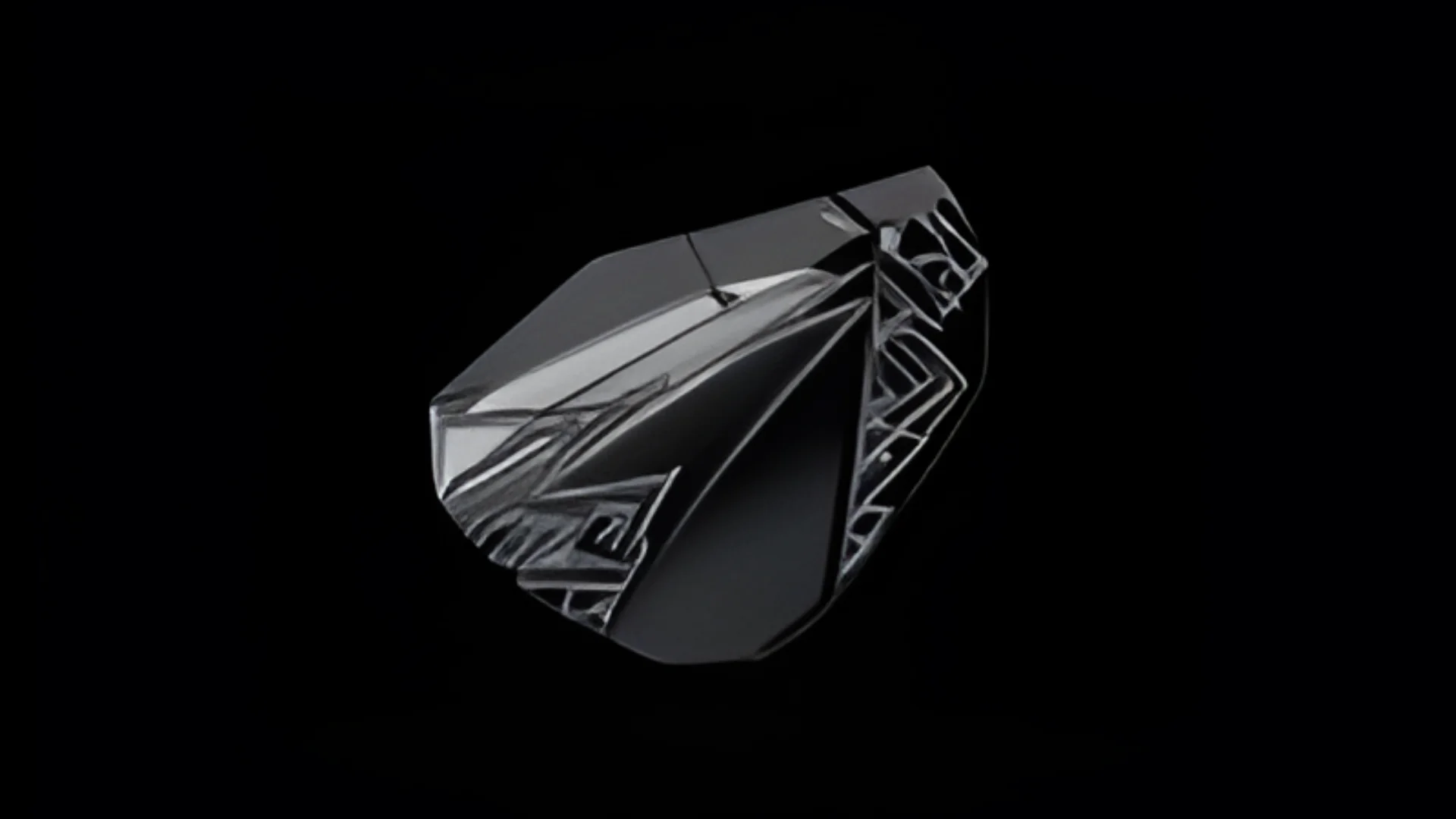
Lux Aeterna looked at that model and said, that is cute, but we can do better. Enter Delphi, the company’s reusable satellite platform designed to launch, operate in orbit, and then return to Earth with its payload intact. The vehicle pairs a modular satellite bus with a conical heat shield engineered for precise reentry, recovery, refurbishment, and redeployment. Translation for the non rocket scientists in the room. Instead of lighting your spacecraft on fire at the end of the mission, you bring it home, reload it, and send it back up like a seasoned prizefighter ready for another round.
The implications are bigger than one spacecraft. Defense missions, hypersonic testing, on orbit compute, and in space manufacturing all share the same pain point. Experiments and hardware disappear into orbit and never come back. Lux Aeterna is building infrastructure that turns orbit into a round trip highway instead of a one way bus ride. The inaugural Delphi mission scheduled for Q1 2027 already has its payload capacity sold out, which tells you the market was waiting for someone to show up with a return ticket.
This is the quiet shift happening across the space economy. Rockets got reusable first. Now satellites are catching up. When infrastructure stops being disposable, the entire supply chain changes. Costs compress. Iteration speeds up. New business models show up that did not make sense before. That is how industries evolve.