Something unusual is happening in the physical layer of the tech economy. For 15 years software operators behaved like gravity did not apply to code. Ship the product, scale the cloud, let someone else worry about the pipes and wires. Then artificial intelligence arrived with an appetite capable of swallowing a city’s power grid before breakfast. Suddenly the quiet industrial question of how America actually builds things is back in circulation. What used to sit in zoning meetings and utility filings now belongs in the center of tech news, because the next era of compute depends on steel, land, water, and transmission lines just as much as GPUs.
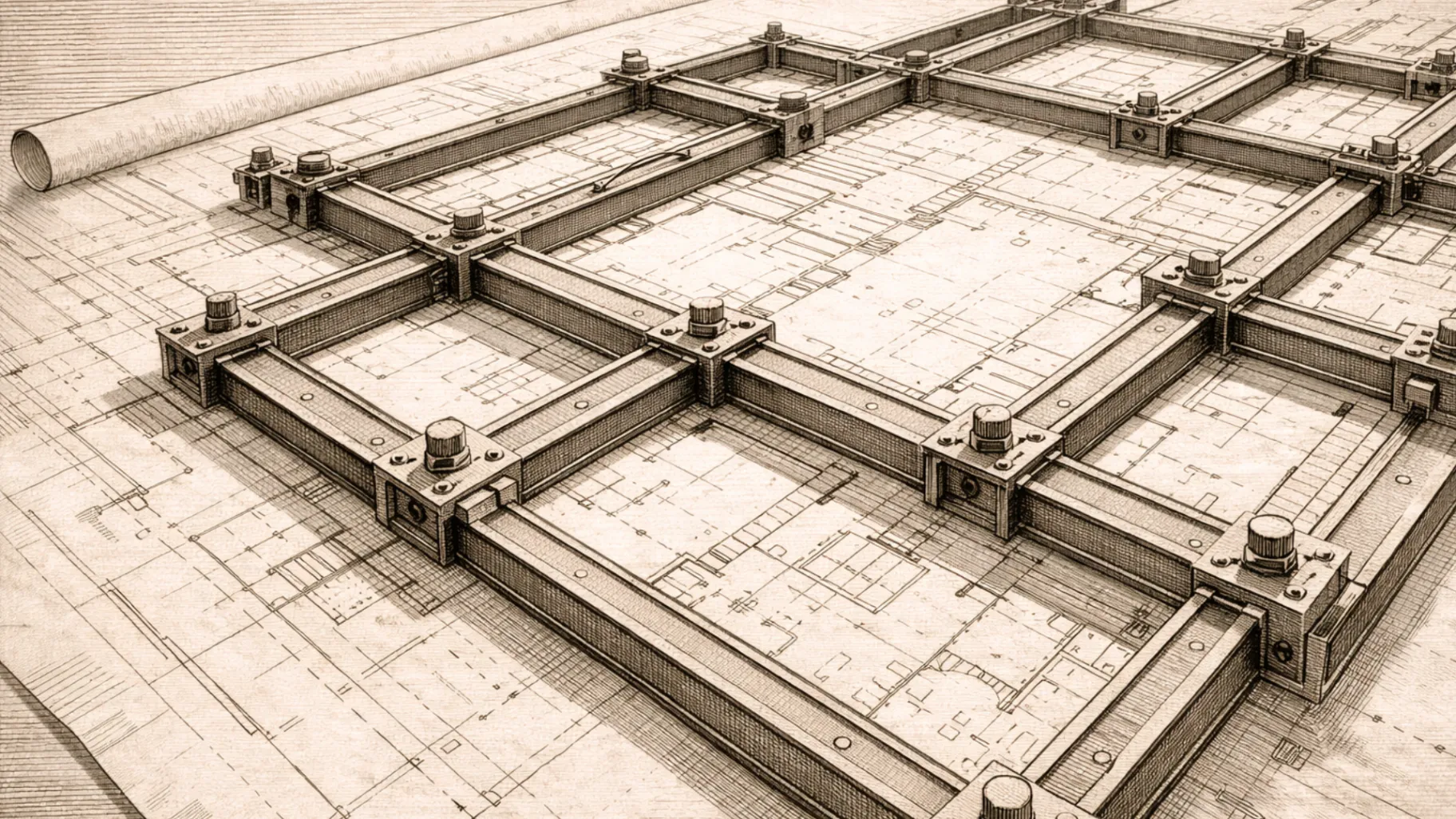
That tension sits at the center of an upcoming WP Intelligence event titled “How AI Data Centers are changing the way America builds,” produced by The Washington Post. The event will take place on March 13, 2026 at 11:00 AM-12:00 PM EDT and will be moderated by Luiza Savage. WP Intelligence has been steadily building a reputation for convening the policy crowd, the capital crowd, and the infrastructure crowd inside the same conversation. Not to exchange polished talking points, but to examine where the digital economy collides with the physical one. Data centers used to be background infrastructure. Artificial intelligence turned them into frontline strategy, and suddenly the people shaping zoning boards and power markets are sharing the same stage as the people shaping algorithms.
The Washington Post has already been threading this theme through its broader programming. In the Washington Post Live event “Building America: Powering the AI Age,” Sen. Ted Budd and Rep. Jake Auchincloss joined physicist Tammy Ma of Lawrence Livermore National Laboratory to discuss the scientific and political reality behind powering the AI surge. The conversation, supported by Ecolab, reflected something the market is beginning to recognize. Artificial intelligence is no longer just a Silicon Valley product cycle. It is an infrastructure cycle that runs directly through Washington policy debates, regional energy markets, and local communities deciding whether the next hyperscale campus appears across the highway.
The scale explains the urgency. Washington Post reporting has documented the rise of supersized data center campuses whose electricity demand can rival major U.S. cities. Deloitte projects that electricity demand from AI data centers in the United States could climb from roughly 4 gigawatts today to as much as 123 gigawatts by 2035. That shift represents more than a technical milestone. It signals a national construction agenda measured in substations, water systems, transmission corridors, and land use negotiations that did not exist on the roadmap 5 years ago. It is precisely the type of development that moves quickly from industry chatter into tech news once the market realizes the balance sheet implications.
Which is why this WP Intelligence discussion lands at the right moment. When artificial intelligence companies talk about scale now, they are no longer describing model weights or GPU clusters alone. They are describing the physical footprint of intelligence itself. The land it occupies, the power it pulls from the grid, and the political permission required to build it at national scale. Those realities are quickly turning the infrastructure layer of AI into one of the most closely watched storylines in tech news.
In other words, the future of artificial intelligence may resemble a skyline under construction more than a server rack in a lab. And conversations like this one reveal where the next layer of that buildout begins to take shape, long before the cranes arrive and the subject graduates from insider briefings into headline tech news.
 REFINANCE SUMMIT|
 WP INTELLIGENCE: How AI Data Centers Are Changing The Way America Builds|
 Harvey Integrates With Microsoft 365 Copilot to Bring Legal AI Into the Workflow|
 Enterprise AI Summit|
 Kraken Financial Secures Federal Reserve Master Account, Opening Direct Access to U.S. Payment Rails|
 Swan AI Raises $6M to Build an “Autonomous Business” for Agent-Led GTM|
 Axiom Partners Closes $52M Inaugural Fund to Back AI-Driven Access Platforms|
 Mangrove Equity Partners Closes $250M Fund IV to Invest in Lower Middle Market Businesses|
 Nominal Raises $80M in Series B-2 Funding to Scale Hardware Engineering Data Platform|
 Together AI Raises $1B at $7.5B Valuation to Expand AI Cloud Infrastructure|